Packets, Protocols and PHP: Networking Fundamentals for Developers

summary
Shows the concrete surprises and fixes: a single PHP call triggers DNS lookups, TCP/UDP transport, MTU fragmentation and routing; expect MTU ≈1500 bytes, expect IPv4 scarcity with IPv4 ≈4.3 billion addresses and IPv6 adoption at about 45% of traffic last year; the smallest public routeable block is a /24; BGP reconverges in under 30 seconds but can be hijacked, causing real outages like Cloudflare DNS’s one‑hour event; use HTTP/3 on QUIC with TLS and anycast DNS to reduce latency and improve resilience.
AI-written summary · about
chapters (14)
- 0:00Networking in PHP
- 1:51Leaky abstractions in networking
- 3:19Four-layer network model
- 4:45TCP and UDP protocols
- 7:31IP addresses and routing
- 9:59DNS as the internet's phone book
- 12:06How routing works
- 15:17BGP and autonomous systems
- 17:49Anycast DNS benefits
- 19:35BGP leaks risks
- 21:01Latency and connection quality
- 23:55Breaking down file_get_contents under the hood
- 27:05Optimizing PHP network apps
- 28:51Summary and best practices
related talks
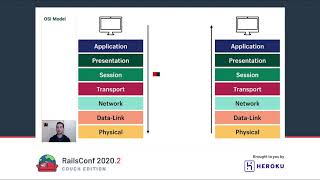 36mPeeling Away the Layers of the Network Stack
 40mPractice Safe Networking
 22mWhy is it always DNS, TLS, and bad configs?
 15mDHCP: IT’S MOSTLY YELLING!!
 20mKubernetes Networking 101
 18mThe parts of DNS nobody explained to you
 33mMoving to Microservices: Optimizing Network Calls
 30mKeeping the Balance: Internet-Scale Loadbalancing Demystified