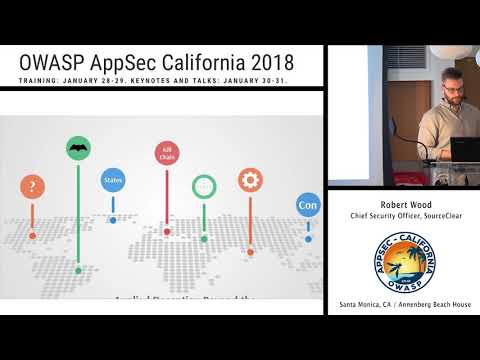
Applied Deception Beyond the Honeypot: Moving Past 101
summary
Argues that common deception tech like honey tokens and basic honeypots or sandbox redirects end up obvious and put defenders in a “hypercon” where attackers learn from repeated failures; recommends instrumenting deception strategically across the kill chain and OODA loops using things like moving target deployments (mentions hashey Corp nomad framework) and layered, shifting honey artifacts rather than static traps. Uses WWII Enigma as a caution — intercepted intelligence works only if actions are disciplined — and advises start small, map adversary archetypes, and measure outcomes.
AI-written summary · about
chapters (18)
- 0:00Intro
- 1:05The Art of War
- 4:18Introduction
- 5:17Three Different States of Deception
- 6:58Deception Techniques Today
- 10:28Kill Chain Framework
- 14:08Cest la vie
- 16:45Nonsecurity related industries
- 21:11Where can we apply deception
- 22:33Strategic planning
- 25:21Three main things
- 26:44The Russian School of Thought
- 30:38Applications of Honeypot
- 32:50Layers of Deception
- 35:02The Answer
- 35:28Critical Infrastructure
- 37:11Wrapping Up
- 39:53Resources
related talks
 45mThe Devil Does Not Exist - The Role of Deception in Cyber
 46mDeception Is on the Rise, But Is It Time to Unleash Engagement Operations?
 15mWolves amongst Sheep--Defeating Targeted Attacks with Deception
 30mYou See Honey, I See Beehive: Developing Honey Networks
 35mCyber Deception 2.0: Adaptive Honeynets and Canary Intelligence in Production
 50mStop Being Sitting Cyber Ducks! Adversary Engagement: the New Cyber-Defense
 45mWinning by deception: tactics, techniques, and procedures of adversarial A.I.
 23mHoneypots 2.0: A New ‘Twist’ on Defending Enterprise Networks