Repository Cohorts: How OSPOs...

summary
Programmatic labels convert raw GitHub metadata into reusable cohorts (age, activity, community, content) so OSPOs can apply different rules to different repo types rather than one-size-fits-all. Implementations use Augur for metrics, repo-linter and Repoter for checks, a cookiecutter CLI for maturity questions, JSON-defined cohorts, and badges via shields.io. Microsoft runs a 10,000-repo demo and stores cohort columns in a query cluster; CMS maps to Nadia labels and a five-tier maturity model. Results enable targeted OKRs, interviews, and lower-blast-radius policies.
AI-written summary · about
chapters (11)
- 0:00Introduction
- 1:04Repository cohorts defined
- 3:56Solving common problems
- 7:52CMS open source program office benefits
- 10:00Maturity model framework
- 12:48Nadia labels and growth
- 14:58Generating cohorts pipeline
- 17:48Microsoft's cohort approach
- 20:14Practical applications
- 23:01Conclusion and key takeaways
- 23:45Q&A
related talks
 40mHow Can Your OSPO Drive Open Source Business Value for Your Organization?
 26mNavigating Open Source: Establishing an OSPO for Organizational Success
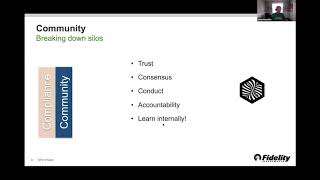 40mThree Cs to an Open Source Program Office
 25mManaging a GitHub Organization: Tools, Tips, and Best Practices
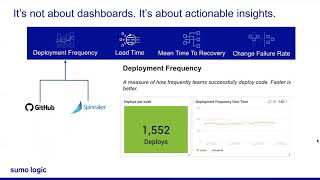 27mBenchmarking and Optimizing Software Delivery Performance
 31mOperationalizing Open Source Projects: When the Rubber Meets the Road
 22mFinding Future Maintainers
 21mWhere to Start with Open Source