Rise of the Machines – Technology in Humanity

summary
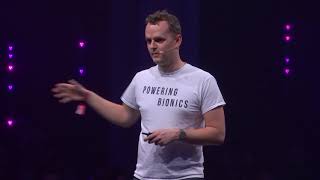
Argues real systems exist today: the Argus II bionic eye (≈350 patients) gives crude dot-outline vision and the pacemaker is now routine (pacemakers >1.5M implants since the 1980s). Shows implantable devices like an EPFL blood lab with five sensors and transcutaneous recharging, origami ingestible delivery capsules, and Cybathlon competitions with six event categories (BCI, powered prostheses, exoskeletons). Notes open-source stacks (Open Bionics, Python/Matlab, Raspberry Pi), successful 3D‑printed prosthetics and real security failures (defibrillator vulnerabilities).
AI-written summary · about
chapters (28)
- 0:00Intro
- 2:45Ray Flynn
- 7:30John Alexander MG Williams
- 12:10Xray Vision
- 13:45The Fifth Element
- 14:55Superior prosthetics
- 15:28Bionic reconstruction
- 17:15Blood lab
- 18:50Cybathlon
- 22:50Les Bohr
- 24:33Developers
- 25:12Open Bionic Systems
- 25:45GitHub Repository
- 25:59Company History
- 27:58Open Source Leg
- 28:49Handy
- 29:18Hand at home
- 30:15Cloud computing
- 31:09Azure swag
- 32:24Hacking
- 33:01Opal Card
- 33:46Security Risks
- 35:15The Future
- 35:29Origami Robots
- 36:43Gender Transformation
- 37:46Flexible Transistors
- 38:40Recording Neural Activity
- 39:30Biometrics
related talks
 40mThe Past, Present, and Future of Brain Computer Interfaces
 25mKeynote - Cyborgs Unite!
 10mAugmenting Human Capabilities to New Dimensions
 42mHacking the World with Digital Biology
 27mAccelerating Brain Interfaces with a Web3 Twist
 22mCyborgs — The Renaissance of Our Species
 22mAdvancing the Human Experience
 01mAI that moves with you — Chris Bergey discusses the wearable future