Trust, Design, and the Reality of Security Engineering in an AI-Driven World
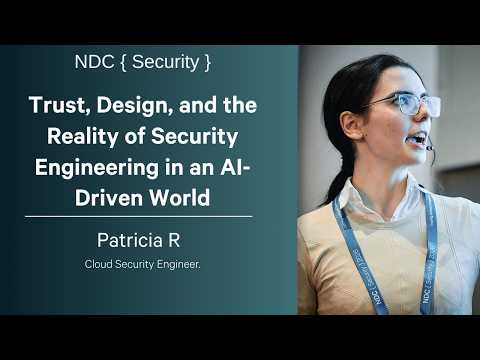
summary
A cloud security engineer explains how AI speeds generation of PowerShell and Python scripts that produce deterministic reports yet introduces non‑deterministic LLM outputs that miss corner cases, cause flaky controls, and compound when docs, vendors, and summaries all use AI. Practical rules: keep hard checks deterministic, combine them with LLM summaries, refuse or rework vendor documentation that feels AI‑generated, and always validate claims technically before trusting designs to avoid surprise tickets, outages, or burnout.
AI-written summary · about
chapters (9)
- 0:00AI in security engineering
- 1:12Trust versus automation
- 2:12AI-driven security reliability
- 3:35Deterministic vs non-deterministic outputs
- 5:45AI documentation pitfalls
- 7:49AI answer relevance challenge
- 8:51Uncertainty in AI workflows
- 10:14Mitigating AI risks
- 11:19Conclusion
related talks
 39mThe Future of Cybersecurity in an AI-driven Era
 24mHow to Build Trustworthy AI
 45mDeploy First, Secure Never: AI Between Productivity and Security Chaos
 01h 05mNavigating the Security and Privacy Landscape of Modern AI
 57mAI Applications Security Puzzle
 37mFundamentals of AI safety and security
 16mTrust by Design: Building Reliable AI for Sensitive Environments
 01h 05mPanel Discussion: Building Confidence in AI-Driven Testing Decisions