The State of WebRTC

summary
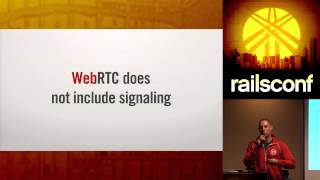
Claim: browsers now do UDP peer-to-peer media and arbitrary data. Implementation: getUserMedia & RTCPeerConnection plus a short-lived signaling server, ICE with STUN/TURN for NAT traversal, and a DataChannel for unreliable or reliable messages. Working evidence: a live Chrome–Firefox demo succeeds (two tabs connect and stream), mobile builds run behind flags, PeerKit and peer-to-peer CDN demos transfer images, Banana Bread shows multiplayer, and Twilio bridges WebRTC to real phones. Remaining surprises: cross-browser codecs, signaling requirements, and mobile UX/permissions.
AI-written summary · about
chapters (23)
- 0:00Introduction
- 1:37What is WebRTC
- 3:43WebSocket vs WebRTC
- 6:13UDP
- 7:53Use Cases
- 11:56Media Stream
- 12:43GetUserMedia
- 13:44PeerConnection
- 14:30Browser Support
- 16:00Mobile Support
- 17:40Interoperability
- 18:59Demo
- 20:26Media Stream API
- 21:40Peer Connection API
- 33:10Data Channel
- 35:20Towtruck
- 38:16Phone
- 39:44Distributed CDN
- 41:52Multiplayer Games
- 43:33Phone Calls
- 45:17Collaboration
- 47:16Wrap up
- 48:52WebSocket vs WebSocket
related talks
 33mWebRTC Change Communications Forever
 27mWebRTC: Real-Time Communications
 31mWebRTC: Real-time communication without plugins
 34mReal-Time Communication for Everyone
 55mReal Time Data
 46mWebRTC: Let’s Revolutionize Information Sharing in the Browser
 21mWebRTC A Quick Introduction
 33mWebRTC Change Communcations Forever