a Guided Introduction to Elixir - Part 4 of 6
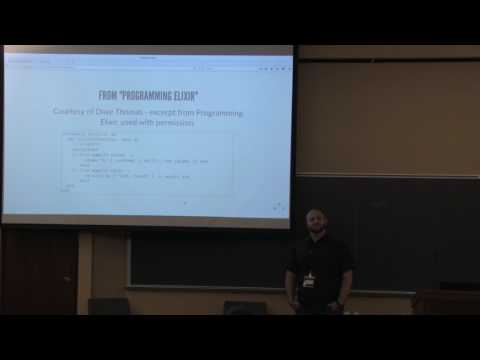
summary
Walks through building a real parallel map and shows parallel_map using spawn+refs and why ordering and mailbox scanning matter, demonstrates that htop reveals work spread across cores, and reproduces a Phoenix example where one hot process blocks only its request while others stay fast. Explains GenServer lifecycle, naming and start_link return tuples, and contrasts gen_server handle_call vs handle_cast with blocking behavior and state returned as a new list. Mentions tools like htop and OTP and that the code is practical not hypothetical.
AI-written summary · about
chapters (4)
related talks
 29mElixir in the Browser
 12mAn introduction to functional programming
 25mAsynchrony: Under the Hood
 36mRelevance of ClojureScript
 38mJavaScript VM internals, EventLoop, Async and ScopeChains
 41mFunctional programming: Give it a chance!
 27mPractical functional programming: pick two
 49mGoing Functional with JS