Taming the VM Sprawl: KCP Meets KubeVirt

summary
Shows how KCP provides a single control plane for KubeVirt VMs by hosting per-tenant workspaces as isolation units, running an API sync agent in each physical cluster to export CRDs into a central provider workspace, and publishing them via API export and API binding. Creates VMs in mapped namespaces with global prefixes on east/west clusters and synchronizes object state back through KCP’s virtual workspace aggregation. Live demo creates and runs VMs across two clusters, proving end-to-end multi-cluster tenant isolation.
AI-written summary · about
chapters (14)
- 0:00Introduction
- 1:02Why KCP matters
- 3:57Kubernetes as API layer
- 5:26Introducing KCP
- 7:18Workspaces in KCP
- 8:25Tenant-aware API platform
- 9:10VM APIs in workspaces
- 10:15API sync agent
- 11:41Sharing APIs
- 13:03Syncing VMs across clusters
- 14:09Demo setup
- 16:42Live VM demo
- 19:57Summary
- 20:39Conclusion
related talks
 01h 15mTutorial: Exploring Multi-Tenant Kubernetes APIs and Controllers With Kcp
 34mBuilding a Platform Engineering API Layer with KCP
 35mMulti-Tenancy on Kubernetes with Virtual Clusters
 05mkcp: Scaling The Kubernetes Control Plane For The Multi-Clust...
 36mIt’s All for the Users. More Durable, Secure, and Pluggable. KubeVirt v0.53
 43mMaking Running Virtual Machines in a Kubernetes Cluster a Mainstream Activity
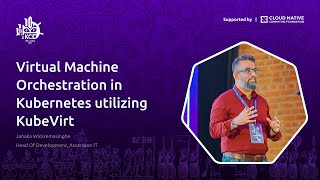 42mVirtual Machine Orchestration in Kubernetes Utilizing KubeVirt
 32mKubeVirt - making running virtual machines in a k8s cluster