Users Don't Have to Suffer in the Cloud

summary
Argues that a hub-and-spoke architecture keeps database integrity in a central Salesforce hub while delivering role-specific spokes so users keep familiar workflows; adaptation builds spoke apps built on Salesforce AppExchange and adds in-app feedback (and mentions GetFeedback integration) to iterate. Result: no formal training for many apps, faster adoption instead of “shelfware,” and measurable engagement (about 60 customer responses to a single simple outreach). Examples include replacing Excel workflows and splitting teacher vs admin apps to reduce support churn.
AI-written summary · about
chapters (29)
- 0:00Introduction
- 4:18A Hard Truth
- 9:04End Users
- 13:59What makes technology obsolete
- 19:07A separation of concerns
- 23:45What are spokes
- 26:59The best of both worlds
- 28:09UX design principles
- 29:39Admin functionality
- 30:29Rearchitecting apps
- 31:49Job to be done
- 32:41Silos
- 33:26Inclusive Design
- 34:39Building for Users
- 35:35Instant Feedback
- 36:39Solving the Right Problem
- 37:22Hub and Spoke Architecture
- 38:05Being Where Your Users Are
- 39:26Listen to Your Users
- 40:00Have Feedback Loops
- 40:58Listen to Users
- 41:38Creating a Feedback Loop
- 42:24Addressing Feedback Through Communication
- 43:07What is the Problem
- 43:35Do a Lot
- 44:25Reduce Training Costs
- 45:30Accelerate User Adoption
- 46:14A Great Surprise
- 48:27User Experience
related talks
 23mUsers Don't have to Suffer in the Cloud
 37mHow Salesforce’s Ecosystem Drives Collaborative Success
 13mUsing Low-Code/No-Code Platforms to Speed Up Development
 16mInnovate Fast with the Salesforce Platform
 29mBuild Apps Faster with Salesforce
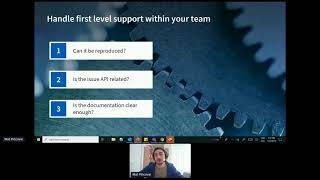 23mLessons learnt supporting Developers
 26mThe Key Ingredient Retaining Users in Your App and Reducing Churn
 21mUnlock the Secret to Exceptional Digital Experiences