Unmasking stealth operations using UBA super powers
summary
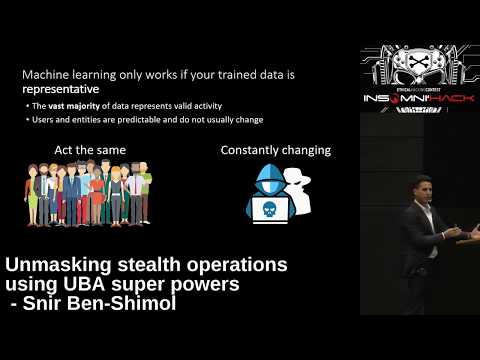
Argues that learning the organization, not the attacker, uncovers slow low stealth campaigns by building dynamic profiles from AD, VPN, proxy, DNS, Exchange and file logs; shows a phishing-to-fake-VPN flow that yields ~20 credentials in 30 minutes, droppers that fetch text→exe, HTTP/DNS C2 beacons, PowerShell and Mimikatz reuse, and lateral movement via service accounts. Uses 3–3.5M proxy events/day to justify discarding noise and enriching logs, models per-user peers, user agents and trusted domains to spot DNS tunneling and tiny uploads that evade signature tools. Claims one to two weeks of baseline learning and reports detection of exfiltration months earlier than legacy controls.
AI-written summary · about
chapters (9)
- 0:00Introduction to UBA superpowers
- 1:53UBA and machine learning overview
- 4:00Why stealth attacks evade defenses
- 12:52Stealth attack kill chain breakdown
- 25:18Blue team data collection strategy
- 31:24UBA model examples and demos
- 51:00DNS and proxy anomaly detection
- 55:40UBA effectiveness and next steps
- 57:08Q&A on compromised networks