How to Store Secrets—and When Do You Need Them—in HashiCorp Vault

summary
Shifts the question from how to store secrets to when do I need my secrets and maps a practical Vault adoption path from API foundations through namespaces, auth methods and policies to secret engines. Covers concrete pieces: AppRole, Kubernetes and cloud IAM auth, ACL and Sentinel governance, KV static secrets, dynamic secrets for cloud and DB, SSH and PKI signing, transit/transform encryption, audited requests, TTLs shown as examples (5–30 minutes) and a Vagrant mini‑lab used to validate the design.
AI-written summary · about
chapters (10)
- 0:00Introduction and agenda
- 1:25When do you need secrets
- 4:12Vault abstracts complexity
- 6:19Getting started with Vault
- 7:01Authentication methods
- 12:12Defining personas and policies
- 14:40Secret engines explained
- 19:44Transit and transform engines
- 23:15CI/CD pipeline example
- 26:05Key takeaways and resources
related talks
 50mDevOps: Shhhh! It's a secret! - HashiCorp Vault
 41mHiding secrets in a Vault
 40mA Better Way To Manage Secrets
 38mKeeping Secrets - A Practical Approach to Managing Credentials
 49mManaging Secrets in a Kubernetes Cluster with Hashicorp Vault
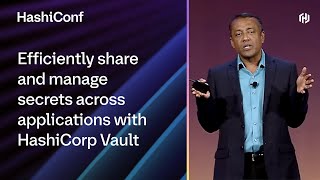 30mEfficiently share and manage secrets across applications with HashiCorp Vault
 34mWhich Vault? Don't tell me your secret(s)!
 43mSecret Management with Hashicorp's Vault