Treat Your Code as a Crime Scene
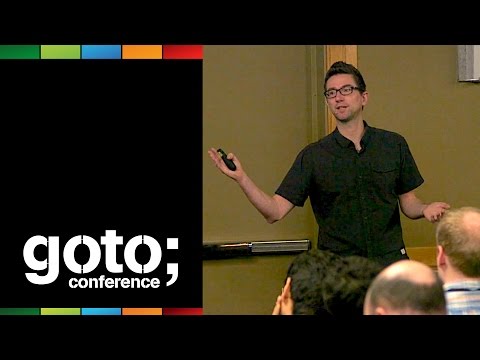
summary
Uses version control as a behavioral log to map developer movement onto a CodeCity-style geography, then finds hotspots = complicated code worked on often by aggregating commits; a 500k‑LOC case shows hotspots cover 4% of code → 72% of defects and correctly flag 7 of the 8 most defect‑prone modules. Adds temporal analysis with complexity‑trends (Mono example over four years) and social graphs / fractal figures to reveal temporary coupling and knowledge owners for targeted refactor and risk management.
AI-written summary · about
chapters (12)
- 0:00Introduction
- 0:52Understanding Code
- 2:31Cyclomatic Complexity
- 10:18Profiling the Ripper
- 13:53A geography of code
- 15:03Spatial Movement in Code
- 15:55Geographical profiling of Code
- 18:06Hotspots and Defects
- 19:08Evolution of a Program
- 21:33Complexity Trend
- 37:38Identify Main developers
- 42:00Code 3 Forensics
related talks
 47mTreat Your Code as a Crime Scene
 40mTreat Your Code as a Crime Scene
 31mMaking sense of frontend code with forensic techniques
 39m7 Secrets of Maintainable Codebases
 45mCode Red: The Business Impact of Code Quality
 38mCode Red: The Business Impact of Code Quality
 46mYour Code Base as a Crime Scene
 38mBeyond Code: Repository Mining with Clojure