Cryptography Pitfalls

summary
Covers concrete, recurring failures and fixes: broken RNGs that yielded only 15 bits of entropy (Debian OpenSSL, 2006–2008) and Android wallets that let attackers steal Bitcoins, predictable PHP reset tokens, PS3 ECDSA using a static k that reveals private keys, and MD5/SHA1 collisions that forge certificates. Recommends practical tools and patterns: read /dev/urandom, use libsodium, prefer bcrypt/scrypt/PBKDF2 for passwords, use HMAC or AEAD (GCM), and consider HPKP pinning; shows which attacks actually worked and which mitigations stop them.
AI-written summary · about
chapters (14)
- 0:00Intro
- 9:41Random Number Generators
- 16:59Hash Functions
- 17:26Flame
- 21:05Length Extension Attack
- 28:44Des
- 30:23ECB
- 32:37Padding Oracle
- 34:14Apple iMessage
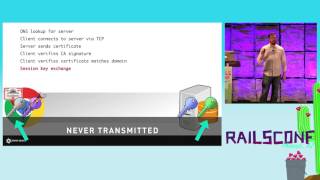
- 36:06TLSSSL Verification
- 39:03Automated Testing
- 39:32Trust
- 41:49Learn More
- 42:28Questions