(Unofficial) Guide to App Architecture Guide Vol. 2

summary
Compares Dagger Hilt’s reliability and bytecode weaving convenience with its complexity and lack of Kotlin-native APIs, proposes Anvil and Wetstone as faster, more flexible alternatives, and shows code patterns for injecting into Compose via entry points and remember. Explains the account-scoped component use case (retain per-account state) and why Hilt makes it awkward. Argues to modularize early, cites an app with ~6–10 modules, and warns against circular dependencies and leaking implementation instead of defining interface modules.
AI-written summary · about
chapters (9)
- 0:00Introduction
- 2:28Android and top partners
- 9:16Dependency injection basics and Hilt
- 17:47Hilt challenges and alternatives
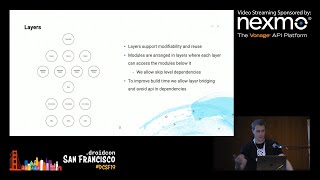
- 25:17Multi-module principles and benefits
- 33:16Modularization issues found
- 36:10Anti-patterns and dependency inversion
- 39:24Static utility class problems
- 41:15Summary and future outlook
related talks
 25mFully Understanding Dagger Hilt Migration from First Principles
 29mForging the Dagger for the modern Android world
 32mUsing Hilt in a Multi-Module Project
 47mUp to Date? Talking About Your App
 45mDagger Hilt: Live Code Tutorial, Pros and Cons
 42mArchitecture Round Table
 20mBreaking Down Modularization
 40mModularizing Android Applications