The Quest For Cyber Peace

summary
Nation-state code (NSA exploits) fuels indiscriminate outbreaks like WannaCry and NotPetya that hit Maersk and 150 countries; cloud firms hire massive teams and Microsoft notes a $1 billion a year investment while industry signs a 50 companies tech accord to push patches simultaneously. Europe cites the NIS directive and pushes a Cybersecurity Act to fund and ENISA strengthening in Heraklion and to require EU-wide device certification. Research builds moving target defenses and pooled training, yet Stuxnet and exposed ICS show disconnection and counter‑strike remain unreliable.
AI-written summary · about
chapters (16)
- 0:00Cybersecurity crisis introduction
- 1:29European Cybersecurity Act
- 4:18Digital Geneva Convention threats
- 9:14Cybersecurity research defense
- 11:25Internet of Things connectivity
- 13:55Europe’s cybersecurity agencies
- 16:04Microsoft cybersecurity investment
- 17:51Trusted European cybersecurity
- 20:03Europe lacks tech champions
- 24:01Certifying security services
- 27:11Security by design
- 29:47Active defense cyber warfare
- 32:36Sovereignty cyber defense
- 36:30Legal frameworks counter-attacks
- 38:57Return to disconnected infrastructure
- 41:27Closing remarks Q&A
related talks
 01h 00mNew Challenges in Cyber Security
 17mThe cyber security challenge: Our need to protect the world
 01h 12mSecuring cyber critical infrastructure.
 46mNational Cyber-Aggression and Private-Sector Internet Infrastructure
 29mCybersecurity and cyberdefense: a geopolitical issue
 01h 05mDigital Sovereignty in Wartime: Legal and Cybersecurity Considerations
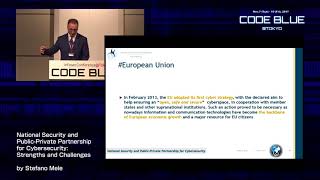 59mNational Security and Public-Private Partnership for Cybersecurity: Strengths and Challenges
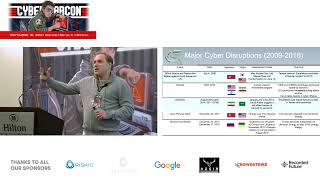 10mCCyberattacks: Is the Juice Worth the Squeeze?