Herding cats: lessons from 15 years of managing engineers at Microsoft

summary
15 years of Microsoft management experience distilled into concrete practices: manage a 30‑engineer developer‑experience team for Azure Cosmos DB, previously ran asp.net and teams of 6–7; build visible metrics like a TFS dashboard on a TV so the team takes ownership (builds go from flaky to self‑fixed); coach by asking questions not giving answers; spend time on top performers and use performance reviews as self‑development; assign an ABC task mix (above/at/below level), use OPR decision roles, run bounded experiments and let people fail under mitigations.
AI-written summary · about
chapters (15)
- 0:00Introduction
- 2:12Coaching in management
- 8:37Focus on top performers
- 10:41Performance reviews purpose
- 20:57Clear direct feedback
- 25:33Design feedback 590 rule
- 29:31Dangers of hero manager
- 31:43Learning from failure
- 36:39ABC framework task assignment
- 41:17SCARF model motivation
- 46:34Accountability follow-up techniques
- 50:30Nudges and team values
- 52:57Improving decisions
- 58:15Disagree and commit
- 1:00:00Closing anecdote
related talks
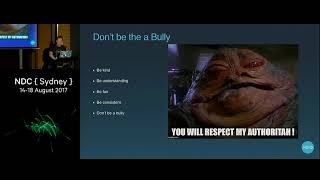 10mHerding cats is easy compared to managing developers
 01h 01mHabits of a Highly Effective Technical Manager
 11mTips on scaling your leadership outside of your comfort zone
 58mHow to survive and thrive as an engineering leader
 31mFrom Engineer to Engineering Manager
 40mThe Joys of Managing Engineering Teams
 01h 01mBecoming an Engineering Manager Without Losing Your Technical Soul
 18mHow to create a high performance data team: lessons learned from the field