Empowering Kubernetes Workloads with GraphQL

summary
Claims that GraphQL eliminates overfetching, supports mutations and real-time subscriptions, and reduces API sprawl are demonstrated with Hasura on Kubernetes connected to Postgres. The demo deploys Hasura to a cluster, tracks Postgres tables like orders and assignment, and runs live queries against a single GraphQL endpoint, showing queries return exact JSON shapes and live updates work. Also highlighted: built-in auth, observability, and faster API surface creation versus writing custom REST endpoints.
AI-written summary · about
chapters (12)
- 0:00intro
- 0:27preamble
- 0:54about akshay bhat
- 2:18agenda
- 3:17the power of graphql
- 6:44benefits of graphql
- 8:50unleashing kubernetes efficiency
- 10:38solving challenges with kubernetes using graphql
- 12:17hasura as a graphql engine for kubernetes
- 15:14demo
- 16:14documentation
- 16:43thank you
related talks
 19mBuilding Planet Scale Cloud Native Apps with GraphQL & Distributed SQL
 22mUnlocking API Potential with Hasura's GraphQL Engine
 32mThe Hasura Journey
 05mGraphQL for Web and Mobile Apps Made Simple
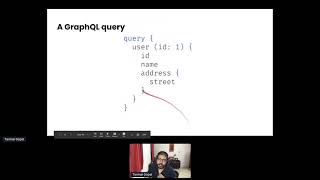 32mModernize development and activate legacy data with GraphQL
 29mBuilding modern web-applications with Hasura's GraphQL engine
 28mModernizing App Development: Planet-scale GraphQL & Distributed SQL
 11mBuilding a GraphQL based open-source infrastructure project