Securing Access to Kubernetes Infrastructure with Kubernetes Zero Trust Principles

summary
Claims a working open source proxy called Paralus that keeps clusters cloaked behind firewalls by having cluster agents dial out on HTTPS (port 443) to an access manager, authenticates users with certificates, and injects ephemeral service accounts with RBAC created on the fly so no long‑lived creds live in clusters. Demonstrates live commands, per‑command audit of kubectl commands, millisecond latency for initial injection, and a current CNCF sandbox status; cites ~380,000 internet‑exposed clusters as motivation.
AI-written summary · about
chapters (7)
- 0:00Start
- 2:21Access via Bastion
- 3:15Jump Host
- 4:16VPN
- 7:52Manual Processes Fall Apart!
- 8:13Requirements for Zero Trust Access
- 15:12Centralized Access
related talks
 30mFrom Perimeter to Zero Trust: Securing Kubernetes with Paralus
 23mEnhanced Security for Multi-Tenant Architectures: Key Components and Best Practices
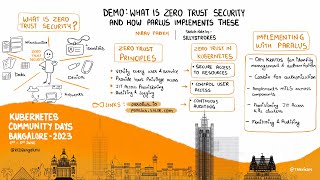 21mWhat is zero trust security and how paralus implements these
 45mZero Trusting as a True Cloud Native Dev
 06mSponsored Keynote: Kubernetes is the Perfect Platform for Enforcing Zero Trust Security
 38mBuilding for Trust: How to Secure Your Kubernetes Cluster
 46mContinuous Kubernetes Security
 25mHow to Achieve Zero-Trust Security With Kuma Service Mesh