The Psychology of Web Performance

summary
Argues that front end accounts for 80–90% of end‑user response time and backs it with lab and field work using EEG headsets, facial‑action coding and real‑user throttling; finds slowed pages force up to 50% more concentration, produce 26% frustration spikes, and 500–1000ms added latency depresses return rates for weeks. Shows progressive JPEGs can depress pleasure versus baseline images, users wait for hero images (8s loses attention), and cites SpeedCurve, WPO Stats and the book Time Is Money.
AI-written summary · about
chapters (8)
- 0:00Introduction
- 3:17Journey into web performance
- 11:41Human time perception
- 23:52Memory flow and interruptions
- 32:03User speed expectations
- 39:05Slowness and behavior
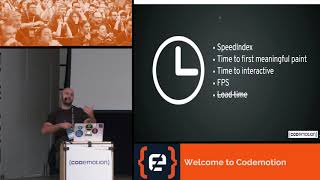
- 45:47Performance measurement mistakes
- 49:34Delightful user experiences
related talks
 37m"Psychology of Performance"
 04mPerformance is about people, not metrics
 29mWeb Performance Kinetosis
 01h 00mChasing Performance: The Psychology of the User
 30mPerformance as a Religious Experience
 33mRedefining Web Performance
 31mEvery Millisecond Counts: Performance & UX
 28mWhat we talk about when we say "web performances"