Behind the scenes of building a doctor in your pocket
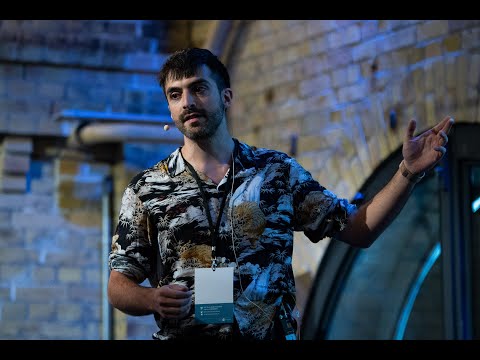
summary
Babylon describes a production pipeline that links a medical knowledge base (≈8 million tokens) to live patient events via a custom Event Store, Kafka and CDC into a clinical graph built on DataStax Enterprise Graph with a Cassandra-backed clinical history. Complex concepts (modifiers, temporal context) are modeled and compared; projections are rebuildable by replaying events. Demonstrated numbers: small Kafka topics with roughly four partitions; stated challenges are graph scalability, integration friction, GDPR deletion, and work on graph embeddings for risk prediction.
AI-written summary · about
chapters (6)
- 0:00Start
- 3:09Cough as a concept
- 4:19Maintaining a medical knowledge base
- 8:21Event Sourcing
- 9:28Concepts inside events
- 13:59Connecting data with...
related talks
 01h 01mA Skeptics Guide to Graph Databases
 16mMedQGraph: TMKGs for AI-Driven Healthcare Insights
 30mFrom Code to Clinic — Building an Internal Developer Platform for Clinical AI
 28mClinical Data Management and Clinical Data Science A Practical Approach
 47mElasticSearch, MongoDB and Neo4j walk into a bar a tale of different databases
 43mBack to fundamentals: from databases to event-driven platforms
 32mGraph-based ML for Automated Health Care Services
 24mCDC: From Zero to Hero