Micro Interactions, More like Micro Aggressions
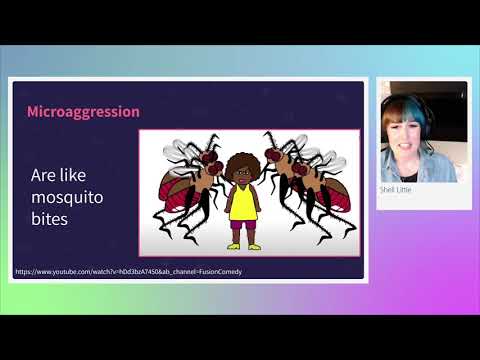
summary
Microinteractions often break tasks for people with attention‑related or cognitive disabilities by hijacking focus; concrete examples include Spotify’s like animation, Twitter’s shifting compose/message FAB, Twitch’s continuously shaking channel‑points badge, parallax recipe pages crowded with moving ads, and Jira/WordPress pulsing autosave indicators. Recommendations: limit animation to one third of the viewport, use fade‑ins instead of slides or parallax, prefer 300–400ms responses, remove seconds from session countdowns, and provide a per‑site setting to toggle autoplay and motion.
AI-written summary · about
chapters (14)
- 0:00Introduction and roadmap
- 1:05Neurodiversity and spoon theory
- 8:30Microaggressions on the web
- 14:34WCAG gaps for cognitive disabilities
- 18:28What are microinteractions?
- 21:01Microinteractions for feedback
- 22:03State change and spatial metaphors
- 24:12Signifiers and attention hijacking
- 26:18Cognitive accessibility in microinteractions
- 38:17User settings and reduced motion
- 39:44Key takeaways and conclusion
- 41:30Q&A on masking and timeouts
- 45:00Q&A on Twitter follows and microinteraction design
- 47:30Q&A on WCAG working group and marketing teams