API Design in FinTech: Challenges and Opportunities for next-gen APIs.

summary
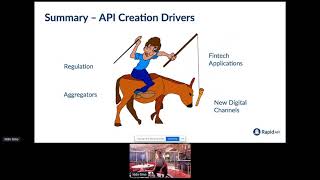
Claims that regulation (Open Banking, PSD2) ends screen scraping and pushes APIs; examples show what works: currency as integer + ISO code for money fields, idempotency keys to prevent duplicate transactions, and a mix of OAuth2 with signed requests for client flows and basic auth for server-to-server calls. Benchmarks include Stripe docs and Marqeta’s admin/user token patterns, plus Plaid’s Exchange which successfully incented banks to implement compatible APIs and sandboxes for safe testing.
AI-written summary · about
chapters (11)
- 0:00API design in FinTech
- 1:08FinTech APIs history
- 2:33Screen scraping rise and fall
- 4:20Open banking regulations impact
- 6:08Modern FinTech APIs leadership
- 8:16Lack of FinTech API standards
- 10:46FinTech API design patterns
- 12:55Idempotency and authentication
- 14:42Authorization scopes compliance
- 17:29Sandbox environments importance
- 18:12API consistency encouragement
related talks
 27mAPI Design in Fintech: Challenges and Opportunities for next gen APIs
 21mThe future of financial institutions
 20mContemporary Issues in Fintech-Bank API Integration post PSD2 APIs
 26mHow API Technology is Revolutionizing Financial Services
 23mAboard the Beagle: New species in the banking ecosystems
 24mThe Future of Open Banking: Key Trends & Challenges
 15mAPI Banking Unlocked: New Paths to Seamless Bank Connectivity
 27mDigital Transformation in Banking