The Future of Open Banking: Key Trends & Challenges

summary
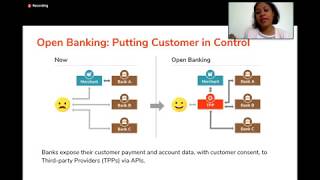
Claims that open banking growth post‑pandemic forces banks to expose customer data via APIs while increasing fraud, outages and regulatory risk; recommended controls include a formal API governance framework, contractual SLAs for uptime and response, and measurable KRIs such as API error rate and transactions per day. Practical defenses are encryption in transit, multi-factor authentication or biometrics, penetration testing, BCM/DR and API management platforms (gateways, analytics, monitoring). Future work emphasizes AI/ML for real‑time threat detection and compliance automation.
AI-written summary · about
chapters (8)
- 0:00Intro
- 0:48Financial Industry Transformations
- 4:19Open Banking Explained
- 9:35Open Banking Risks and Challenges
- 12:40Managing APIs and Open Banking
- 13:17Key Actions to Take
- 19:06Essential Tools and Resources
- 23:28Future Expectations in Open Banking
related talks
 37mIntroduction to essential elements of Open Banking Framework
 47mThe State of Open Banking
 21mAPI Design in FinTech: Challenges and Opportunities for next-gen APIs.
 31mOpen Banking – The Brand , the Challenges and the Future
 31mOpen Banking is Here to Stay: How Will You Benefit from It?
 27mAPI Design in Fintech: Challenges and Opportunities for next gen APIs
 26mOpen Banking and Open Insurance: The Role of APIs and Microservices
 24mAPI Security in Open Banking Context