Running a Successful API Program: Best Practices and Challenges

summary
Claims a massive platform shift: 200 million APIs exist today and the argument that there will be 1 billion by 2030 (fourfold growth) drives a five-stage maturity model from data exchange to business transformation. Practical steps: start with private APIs, add CI/CD pipelines, pick architectural styles (REST/gRPC/WebSocket/GraphQL), use API management and gateways (on‑prem, Kubernetes or API SaaS), adopt contract‑first, provide SDKs, build a developer portal/marketplace, apply AI for design and governance, and monetize when adoption proves out.
AI-written summary · about
chapters (11)
- 0:00API programs introduction
- 2:10Why API programs matter
- 3:55API types in enterprises
- 5:00Private APIs benefits
- 6:27Data exchange maturity
- 9:34Integration and CI/CD
- 12:27Partner API collaboration
- 16:22Public APIs architecture
- 18:52Stage five maturity: Business transformation and monetization
- 21:42API challenges
- 23:33Key takeaways
related talks
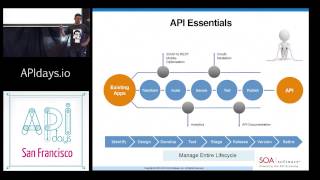 26mAPI Frenzy: The Implications and Planning for a Successful API Strategy
 26mMastering API Strategies for Digital Transformation
 29mAPIs for Biz Dev 2.0 - Which Business Model?
 32mThe 7 commandments for a successful API Program
 25mAPI, the next 10 years: Beyond the Interface
 28mMaximize API Growth: Strategies from Industry Experts
 19mUnlocking API Opportunities: Best Practices for Corporations
 27mThe API Trends and Beyond