Journey to Open Finance and Open Data
summary
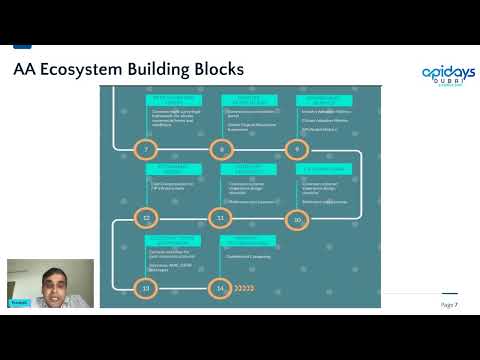
India builds a production-grade digital public goods stack around unified payment interface (UPI) and a consent layer called the Data Empowerment and Protection Architecture, with banks, insurers and newly licensed account aggregators exchanging encrypted data via RBI API specs. Use cases already live or piloted include instant mortgage onboarding with one‑year salary pulls, continuous account monitoring for tenured loans, cash‑flow lending for SMEs, and potential instant credit scoring from five years of transaction and GST data, cutting acquisition costs and eliminating paper.
AI-written summary · about
chapters (14)
- 0:00Introduction
- 1:10Speaker intro
- 3:16India Stack layers
- 6:27Financial system problems
- 7:09Data Empowerment Architecture
- 10:00Regulatory framework
- 13:27Account aggregator ecosystem
- 14:33Use cases now and future
- 16:36Benefits for financial institutions
- 17:40Benefits for individuals and SMEs
- 19:05Regulator vs market approach
- 20:29India's open data journey
- 21:11Inclusivity and bottom of pyramid
- 22:13Digital transformation India
related talks
 25mBanking Redefined - Decoding the API era for Indian banks
 17mBuilding apps and services with UPI: A technical deep dive
 28mHow UPI is making India’s digital economy boom
 27mTransforming Indian private banking with APIs
 24mAPI Evolution
 31mOpen Banking is Here to Stay: How Will You Benefit from It?
 30mOpen Banking: Global State-of-the-Union
 31mOpen Banking – The Brand , the Challenges and the Future