Building high-performance headless WordPress systems – main challenges and solutions
summary
Headless WordPress is used to power a React client area where the front end calls WordPress via REST endpoints, serving millions of hits while WordPress runs on an isolated host costing roughly $50/month; caching at the CDN and front end removes load. Practical fixes include mapping the WP DB to Doctrine ORM to avoid booting core, adding custom API endpoints for plugins, using JWT tokens for auth, and running a multi-site multilingual setup with a Symfony middleware proxy.
AI-written summary · about
chapters (16)
- 0:00Introduction to headless WordPress
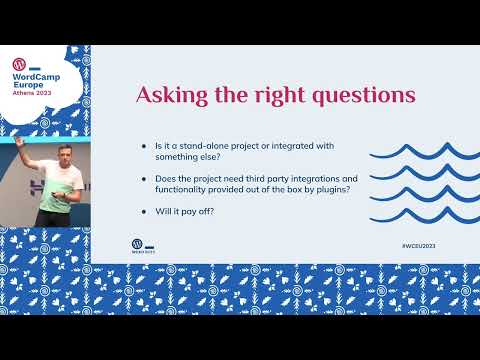
- 1:30When headless WordPress makes sense
- 4:42Headless use cases and benefits
- 8:17Performance and caching strategies
- 10:24Advanced data fetching techniques
- 12:53Security advantages of headless
- 14:42Authentication and user management
- 16:48Plugins and API integrations
- 20:05Q&A session begins
- 21:10Multilingual setup in headless
- 25:30Development overhead discussion
- 27:37JWT vs application passwords
- 29:21REST API vs GraphQL
- 30:26Gutenberg in custom backends
- 32:16Doctrine and Symfony use cases
- 35:08Closing remarks