Transforming User Experiences with AI-Driven Personalization
summary
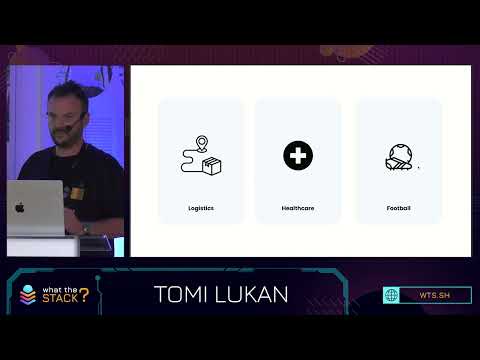
Claims AI models can move personalization from coarse segments to per-customer actions by combining historical interaction logs, device/context signals and predictive ML to surface content and offers in real time; cites industry studies showing >80% of customers expect personalization. Examples built: an end-to-end supply chain co-pilot that recommends suppliers, routes and costs from logistics telemetry; football academies that track sleep, diet and positioning to raise player performance; healthcare linking patient and pharma data to surface drug usage signals. Notes GDPR, algorithmic bias and loss-of-control from hyper-personalization.
AI-written summary · about
chapters (17)
- 0:00Introduction and welcome
- 1:04Why AI-driven personalization matters
- 3:35Key challenges in UX projects
- 6:47Importance of user segmentation
- 9:36Three AI personalization approaches
- 11:45AI in logistics case study
- 16:02AI in healthcare case study
- 17:29AI in sports performance tracking
- 19:59AI in insurance and other domains
- 21:46Future of AI-driven UX research
- 22:30Challenges and considerations
- 24:59Q&A session begins
- 25:19User fatigue and control in AI
- 26:46Emotional responses in personalization
- 27:27Exposing users to new products
- 29:13User choice in personalization
- 30:41Closing remarks and summary