How Advancements in Robotics and AI Will Affect All Of Us

summary
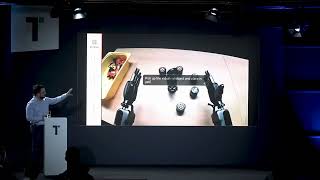
A startup builds and manufactures mobile robots (wheeled, quadruped and biped) and claims biped robots launching in two years while collaborating with universities including MIT; embodied AI sensors collect real-world data that enables new learning but raises privacy and safety issues illustrated by robots recording people in China during lockdowns. Practical details: only 20–30 experts in biped control exist, model training timing affects energy footprint so teams try to train models where it is summer to cut carbon, and regulation like the EU AI Act actively shapes deployment.
AI-written summary · about
chapters (12)
- 0:00Introduction and perspective
- 2:54AI and robotics combination
- 4:00Human intelligence vs AI
- 6:10Robotics in healthcare and ethics
- 9:00Long-term societal impact
- 11:29Future of work and automation
- 13:37Human-machine integration
- 15:06Synthetic consciousness
- 16:31Positive future with AI and robotics
- 20:29Legal frameworks and AI Act
- 22:14Responsibility and diversity
- 24:43Q&A on human identity
related talks
 21mFuture in Motion: Robotics, Self-Driving Cars, and Humanoids Shaping Tomorrow
 18mPhysical AI — When AI Leaves the Digital World
 52mWhat If Robots Asked Us for Help?
 03mMaking good robots
 01mhumanoid robots and the future of physical AI
 16mReal-World Robotics as the Next Frontier for AI?
 48mWhat if Robots Need Our Help?
 16mOn the ethical challenges raised by robots powered by AI