What Does It Really Mean To Be A Design-Centric Company?
summary
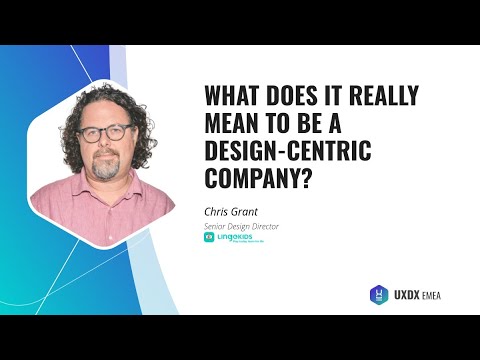
Argues that companies must move from user-centered practice to a measurable design-centric model that combines user‑centric innovation, craft excellence and operations. Cites Preply’s full rebrand with agency Cotto and a new design language (led by a principal product designer) that produced a “huge” lift in key onboarding metrics, and Lingokids’ kid-first age selector that uses finger gestures to replace text input. Reframes MVPs as MVE (minimum viable experiments), advocates dogfooding and design systems to scale beauty.
AI-written summary · about
chapters (13)
- 0:00Introduction and personal journey
- 4:19From UX to techlash and AI
- 6:27Beauty beyond UX
- 10:40Desirability and aesthetics in design
- 14:30Betting on beauty at Preply
- 17:43Designing for kids at Lingo Kids
- 19:08User-centric innovation framework
- 21:39Q&A: Selling beauty to clients
- 23:45Q&A: Beauty in the age of MVP
- 25:31Q&A: Measuring beauty
- 27:56Q&A: UX research with kids
- 28:17Q&A: Brand consistency in telecom
- 30:47Q&A: B2B is people to people