Present & Future of Blockchain Ⅱ
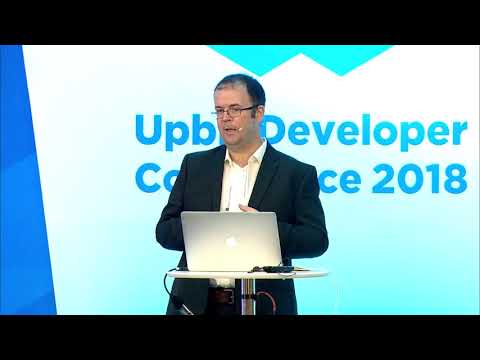
summary
IOHK lays out Project Goguen: a new computational layer above Cardano’s settlement layer with sidechains, multi-asset support and a chimeric ledger to run both UTXO and account-style contracts. KEVM is complete and available as KEVM on IOHK testnet, letting Solidity run unchanged; IELE is a register VM that rejects known DAO‑style flaws and aims for formal verification. Plutus (Haskell-based) plus Template Haskell handles full‑stack on/off‑chain code, Marlowe targets financial DSLs, and testnets/tools are already live for feedback.
AI-written summary · about
chapters (21)
- 0:00Introduction
- 1:11What smart contracts are
- 3:17Smart contract advantages
- 5:02Smart contract use cases
- 8:16Smart contract challenges
- 11:29IOHK’s smart contract approach
- 14:46Project Gorgon and Cardano layers
- 16:34Smart contract research
- 19:04Project Gorgon work streams
- 20:29Cardano’s settlement and layers
- 22:42KVM and Yeley VMs
- 25:54Formal verification in VMs
- 28:46KA VM testnet availability
- 29:56Yeley VM features
- 31:43Yeley plugins and compilation
- 33:26Performance and scalability
- 34:30Plutus smart contract language
- 36:58Plutus TX and Haskell
- 39:50Marlowe finance DSL
- 41:40Marlowe design and time contracts
- 44:29Smart contract future plans
related talks
 45mFunctional Smart Contracts
 22mCardano: The Blockchain Advantage
 45mMarlowe: financial contracts on Blockchain
 28mHypercycle: Blockchain Layer 2 On Top Of Cardano
 14mKeynote – Daniel Lv
 32mBuilding Smart Contract Platforms
 29mExploring Ethereum's Role in Shaping the Future of Blockchain
 47mGetting More Developers to Build on Blockchain