Web Clustering, Integration with Terracotta, BigMemory, Quartz & Grails
summary
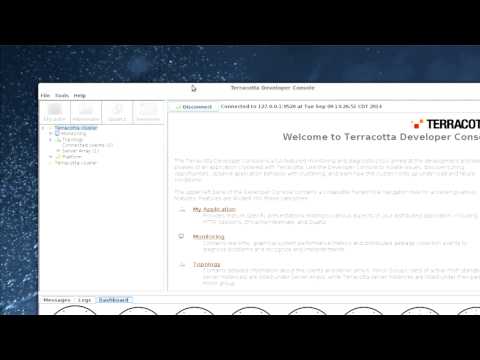
Terracotta/Ehcache pair ships as a TCP cluster with a web console that browses and kills sessions, and an 3.77 open-source frozen server while BigMemory Max is their commercial successor (offers a BigMemory Max 90‑day eval). Setup requires specific instrumented Ehcache/Terracotta jars — follow the version matrix — and Grails needs build config changes. Demo shows cache cold load ~3.6s then cached hit ~7ms (color cache demo: 3.6s→7ms). Quartz clustering needs matching versions: Quartz 2.1 vs 2.2 compatibility dictates using Terracotta RC7, JDBC, or BigMemory. Time sync (NTP) is critical.
AI-written summary · about
chapters (29)
- 0:00Introduction to clustering
- 1:21Avoid clustering if possible
- 2:40Clustering concepts
- 4:02Terracotta overview
- 5:19BigMemory and open source
- 6:42How Terracotta works
- 7:53BigMemory features
- 9:35Session management techniques
- 12:13Terracotta architecture
- 13:25Scaling and resilience
- 14:29Resilience and failover
- 15:46Ehcache and sessions demo
- 18:09Version compatibility
- 19:55Demo: Session state
- 25:44Database caching alternatives
- 27:35Hazelcast comparison
- 29:42Terracotta integration
- 32:02Demo: Color cache
- 33:28Quartz scheduler basics
- 36:05Quartz clustering
- 39:03Job configuration
- 40:17Cluster deployment strategies
- 43:26Terracotta vs JDBC store
- 45:34Quartz JDBC configuration
- 47:18Quartz listeners and patterns
- 49:39BigMemory Max deep dive
- 52:32BigMemory configuration
- 55:22Demo: BigMemory console
- 59:49Q&A and conclusion
related talks
 44mHow to speed up your application using JCache
 01h 23mBuilding Highly-Scalable Spring Applications with In-Memory, Distributed Data Grids
 45mCaching in Applications Still Matters
 46mCaching Made Bootiful
 43mCaching and Beyond - Smarter Data Processing with Java
 44mBoosting your applications with distributed caches/datagrids
 05mStartup Showcase: Hazelcast
 45mCaching Unleashed: Supercharge Your Database Application