Climate Change a Material Risk
summary
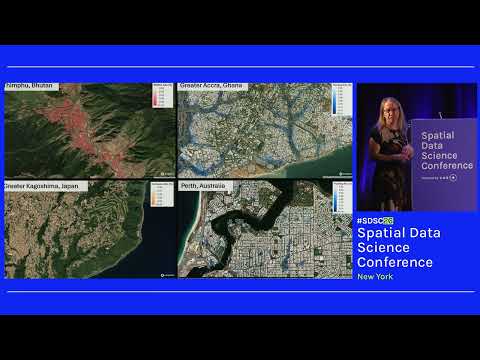
ICE combines climate hazards, building characteristics and damage functions to produce probabilistic financial metrics like annual average loss and property value at risk, linking 1.6 billion building footprints and over 100 million US parcels to scenario-driven hazards (SSP5-8.5 included). A machine learning model trained on 700,000 buildings infers occupancy, height and material. Key findings: 52% of global buildings have ≥1% annual wildfire exposure and in the US one in eight properties flood yearly with two‑thirds of exposed mortgaged homes uninsured. Data-driven mortgage analysis of 1.9M loans shows higher post-event delinquency.
AI-written summary · about
chapters (11)
- 0:00Introduction to ICE’s climate analytics
- 3:10Linking geospatial data to financial assets
- 4:16Measuring hazards, exposure and vulnerability
- 7:27Modeling flood risk at the building level
- 11:42Translating loss estimates into risk scores
- 12:40Global and U.S. climate risk examples
- 14:32Climate risk and housing affordability
- 15:42Mapping property values, taxes, energy and insurance costs
- 19:29Hurricane exposure and mortgage delinquency
- 22:40Implications for homeowners and the mortgage market
- 23:09The wider impact of rising insurance costs