5 Things OSS Can Do To Make Life Easier For The Public Sector

summary
Five concrete changes that increase public-sector uptake: design for air-gapped environments and add explicit no-root install or override options so tools don’t phone home; produce a complete SBOM and keep dependencies patched (use Dependabot or similar to close high CVEs); document a consumer-level architecture plus goals/non-goals for ATO reviewers; reduce dependency surface where possible; and boost contributor transparency (real names, provenance) to speed trust and supply-chain review.
AI-written summary · about
chapters (8)
- 0:00Introduction and speaker background
- 1:04Why care about public sector
- 2:52Considering the environment for OSS
- 5:18Wrangling dependencies in OSS
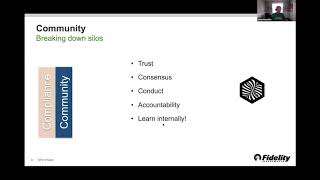
- 7:45Building community in OSS
- 10:12Improving documentation for OSS
- 11:34Building public trust in OSS
- 14:00Q&A on Kubernetes contributions
related talks
 34mSupply Chain Security, SBOMs and How OSPOs Can Play An Important Role Going Forward - An Ecosystem and Compliance Update
 23mPublic Sector: Stories to Getting Started
 42mHow Development and Collaboration is Done in Public Sector Open Source Software Projects
 38mOpen-Source - Open Choice: A DevOps Guide for OSS Adoption
 38mOpen Source in the Federal Government
 40mThree Cs to an Open Source Program Office
 46mOSS Management & OSPO Ask Anything
 51mA Roadmap for Your OSS Security Lifecyle Journey to Protect Customers