Architectural Patterns in the Serverless Journey of shop.LEGO.com

summary
LEGO migrates shop.LEGO.com from an Oracle ATG monolith to an AWS cloud native platform using API Gateway + Lambda, S3, DynamoDB, SNS, SQS, Kinesis/Firehose, Step Functions and EventBridge hub-and-spoke. The first Lambda replaces a failing tax integration and the next Black Friday runs fine; the platform scales from zero lambdas to many in under a year and merges two domains within a month. Specific patterns include DynamoDB atomic counters for sequence generation, functionless API integrations, voucher generation at scale, on‑demand customer migration, and a 2–3 ms warm URL redirect.
AI-written summary · about
chapters (24)
- 0:00Introduction
- 3:24Why Serverless
- 6:18Status
- 6:40Lambda
- 8:18AWS
- 9:00The Monolith
- 10:17The Lambda
- 11:59The Architecture
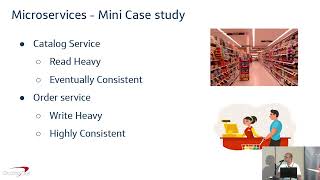
- 12:58Microservices
- 13:33Spiderweb Diagram
- 13:51The Gang of Four
- 14:25The Purpose of Patterns
- 15:21Request Response Pattern
- 16:39Acknowledgement Pattern
- 18:30Voucher Generation Pattern
- 22:04Lambda Authorizer Pattern
- 25:22Data Pipeline Pattern
- 32:15Order Number Generation
- 34:22Event Ingestion
- 37:34Sitemap Generation
- 42:23Order Status Polling
- 45:18Lambdas
- 46:58Hubspoke
- 47:30EvenBridge
related talks
 44mAdvanced Event-driven Architectures at
 49mServerless Architectural Patterns and Best Practices
 45mPatterns & practices for developing enterprise-scale serverless applications
 50mThe Road To Event-Driven Architecture At
 31mAccelerate business innovation with serverless applications
 23mSimplifying design complexities using Serverless Architecture on AWS
 37mBuilding Modern Distributed Systems with AWS
 17mHow do we use Serverless Architectures on AWS Lambda