AI and Cybersecurity

summary
Google Threat Intelligence shows adversaries from 20+ countries using Gemini as a productivity tool for reconnaissance, phishing copy, C++ sandbox evasion code and vulnerability research rather than inventing new attack classes, with Iranian actors the heaviest users. Defensive wins include Big Sleep finding an exploitable SQLite stack buffer underflow, LLM-powered fuzzing raising coverage up to 7000 percent across 272 C/C++ projects and doubling coverage from 30 to 60 percent, LLM summaries 51 percent faster and malware triage in 27 seconds.
AI-written summary · about
chapters (8)
- 0:00AI and cybersecurity today
- 1:31Threat actors using AI
- 4:42AI in attack lifecycle
- 7:16Defensive AI results
- 10:11AI agents in security ops
- 13:43UAE AI security innovation
- 16:57Measuring AI impact
- 17:43Conclusion
related talks
 04mElevate security with Gemini AI
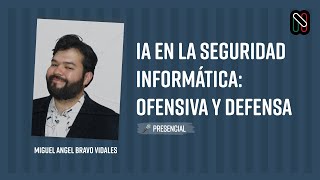 34mAI in Cybersecurity: Offense and Defense
 29mAI-Driven Development: Revolutionizing Productivity, Software Development Life Cycle
 44mAI Foundations: Mitigate Risks and Boost SOC Efficiency
 07mUsing Gemini AI for managing infrastructure and apps
 02mSecurity Operations & Threat Intelligence
 34mHijacking Google’s CI/CD Through Prompt Injection:The New Era of AI-Based Exploits
 57mAI as the New Hacker Frontier