Quick Look: A Real-World Example of Using Network Behaviour to Detect Cyber-Compromise
summary
ANZ Bank used data science and machine learning to detect advanced persistent threats by ingesting Netflow and DNS datasets and applying a machine learning algorithm to network behaviour. The work evolved to focus on SOC analyst usability and now aims to correlate weak signals across multiple data sources. Lessons include implementation experiences, shifting priorities as the programme matures, and aligning SOC priorities with project goals.
AI-written summary · about
chapters (6)
- 0:00Intro
- 0:21DETECTION BASED ON BEHAVIOUR RATHER THAN SIGNATURE
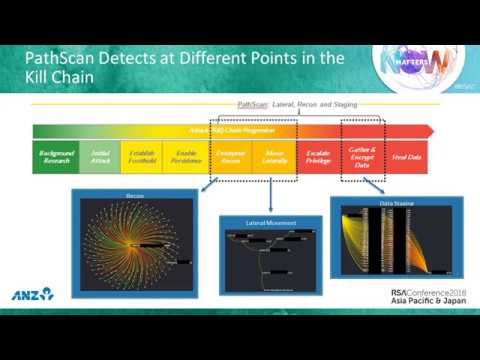
- 2:11PathScan Detects at Different Points in the Kill Chain
- 4:52Extra Data Allows Extra Use Cases
- 6:07The Delivery Model is Maturing
- 6:55Normal Browsing and C2 Beaconing Can Have Different Patterns
related talks
 29mThresholds Are for Old Threats: Demystifying AI and Machine Learning to Enhance SOC Detection
 32mAI/Machine Learning: What is Actually Working in Cybersecurity?
 55mKeynote - The Future of Cybersecurity Needs You, Here is Why.
 24mCan Big Data and Machine Learning Really Improve Network Operations?
 46mKeynote Q&A – Verónica Valeros
 40mLearning Detection Indicators from Cyber Threat Intelligence and Their Applications
 20mCombatting Cyber Attacks Through Advanced Analytics & Intelligence
 16mIntelligent by design: Can cybersecurity cope with AI?