How to build resilient banking systems: Mindset, culture, and partnerships
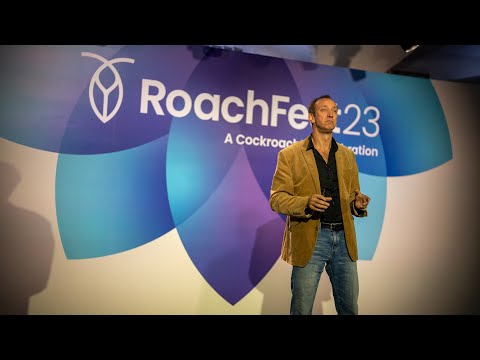
summary
Payments hub on AWS uses Kafka and CockroachDB with multi‑AZ and an MVP multi‑region rollout; repeated disaster‑recovery tests over six months uncover cascading failures, fixes, and automation gaps. Game days and non‑prod chaos monkey runs force small change sets and observability improvements. When an Amazon thermal event hits production the platform keeps processing — only six payments need manual recovery — proving the resilience work materially reduces impact.
AI-written summary · about
chapters (13)
- 0:00Discussing a data center failure, twitter outages, & facebook outages.
- 1:12The root causes of outages (human error, incomplete monitoring, and faulty deployments)
- 2:08What is resilience?
- 4:41The importance of the right mindset
- 9:23The importance of building culture
- 10:25Observability: Real-time, everyone, everything
- 11:26Curiosity: An eager desire to learn
- 11:42Everything as code: "Don't try this without"
- 12:40The importance of focus
- 13:48A shared responsibility model: "Every party plays a role in resiliency"
- 14:21Building a payments hub on AWS with Kafka and Cockroach Labs
- 15:22What has worked for Santander, and what hasn't?
- 16:14Every incident is an opportunity to learn
related talks
 34mBuilding High Resiliency into Digital Solutions
 41mBuilding a Bank (with DDD, Microservices, and Autonomous Teams)
 35mSCALA BASED SERVICES RESILIENCE IN THE REAL WORLD
 17mMulti-domain scenarios and its business impacts
 58mDEVOPS in a Multi-Banking World
 42mSoftware Architecture in the Age of Agility and DevOps
 19mBuilding a resilient system with Frappe and Kubernetes
 42mHow to foster a Culture of Resilience