Building empathy and accessible apps

summary
Claims concrete numbers and practices: 1 billion people (≈15%) have disabilities and 90% are invisible, web ADA suits spike after 2017, and a Microsoft design system and component library aims to be accessible out of the box. Demonstrations include keyboard+screen‑reader checks, alt text rules, heading hierarchy, links vs buttons, and use of a11y tooling — notably Accessibility Insights that pinpoints DOM errors. Expect semantic HTML examples, a visually hidden technique, and actionable fixes.
AI-written summary · about
chapters (6)
- 0:00Start
- 4:25Categories of disabilities Permanent
- 6:08The problem today
- 8:49Follow semantic coding conventions
- 17:33Testing accessibility
- 24:18Resources
related talks
 32mBuilding Empathy and Accessible Apps
 37mMoving beyond empathy: a11y in documentation
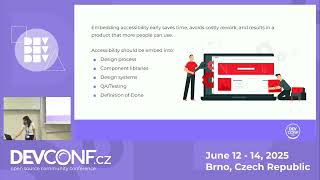 12mAccessibility-First Development: Making Applications Inclusive from Day One
 28mBuilding in accessibility for broader value to all
 13mDemystifying Web Accessibility
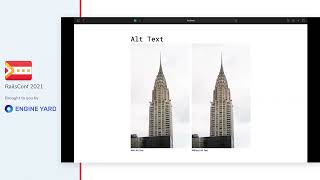 41mAccessibility is a Requirement
 53mThe Human Side of Accessibility
 16mMobile App Accessibility & Why It Is Important