The Benefits of Orchestration in Distributed Systems

summary
Demo shows two Spring Boot apps (payment and credit-card) using Hystrix circuit breaker then replaced by an embedded workflow engine (Camunda/Zeebe style) and BPMN models held in GitHub. Requests return 202 Accepted while the engine persists state, schedules timers and performs retry three times every one minute, enforces idempotency and runs compensation (sagas) when needed. Live UI and reports show thousands of process instances (≈5,000 instances in examples) and the demo’s orchestration handles retries, timeouts and refunds reliably.
AI-written summary · about
chapters (12)
- 0:00Introduction to orchestration
- 1:04Distributed systems challenges
- 3:50Demo of blocking calls issue
- 9:07Circuit breakers and timeouts
- 14:10Handling persistent state
- 17:35Workflow engines overview
- 20:44Asynchronous communication solutions
- 27:29BPMN as executable standard
- 32:09Inverting service communication
- 34:56Distributed transactions with sagas
- 38:52Compensation and undo logic
- 43:48Key takeaways and conclusion
related talks
 33mAutomating Processes in Modern Architectures
 40mDecoupling your Springboot microservices live coded using workflow automation
 46m3 Common Pitfalls in Microservice Integration
 45mLive Coding Some (Microservice) Integration Problems
 48mLost in transaction?
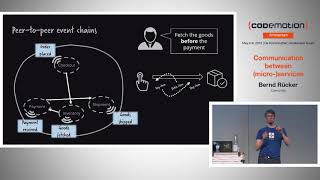 40mCommunication between (micro-)services
 42mCombining orchestration and choreography into a clean architecture
 51mComplex Event Flows in Distributed Systems