Kubernetes: Changing the Way We Think and Talk About Computing
summary
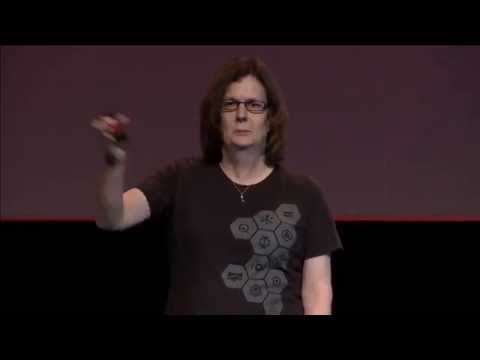
Kubernetes treats applications as pods that host one or more containers rather than scheduling raw containers, gives each pod a routable IP, and uses a declarative spec where you set replica counts, container images, and CPU/memory limits. The scheduler filters nodes by labels and disk/GPU needs, then ranks by free resources, affinity and spreading to avoid resource stranding and enable tighter bin packing. Kubernetes is open source since June 2014, reached 1.0, and Google Container Engine is GA (Aug 2015).
AI-written summary · about
chapters (8)
- 0:00Start
- 0:37Hypervisor: Idealized Hardware
- 0:50Containers: Idealized OS
- 2:00Kubernetes: A Container Cluster Manager
- 2:40Pods have IP addresses that are Routable
- 2:54Declarative language for scheduling Pods
- 6:02Machines (Virtual and Bare Metal) have shapes
- 6:37Machine Shapes
related talks
 51mKubernetes: Changing the Way That we Think and Talk About Computing
 01mKubernetes: What you need to know ... and why
 14mLessons from the Kubernetes Adventure
 05mBare Metal to Containers to K8s: How We Got Here
 01mWhat is Kubernetes?
 08mKeynote: Kubernetes Project Updates
 26mKubernetes Is A Platform Platform
 58mHow Kubernetes plays Tetris with your containers