Architectures for huge Angular based Enterprise Applications...

summary
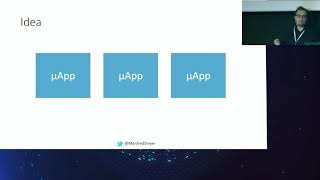
Three concrete patterns with tradeoffs and a decision tree: split code into npm packages (Angular CLI libraries, publish to a registry, versioning and publish overhead), or one mono repo (single node_modules to avoid version conflicts but harder independent evolution), or micro apps (shell or hyperlinks that lazy-load independent Angular SPAs, iframes for legacy, web components for widgets). Demonstration shows a shell bootstrapping multiple Angular apps on demand; criteria are shared state, legacy integration, and need for independent deployment.
AI-written summary · about
chapters (8)
- 0:00Start
- 1:47Using Npm Packages
- 2:04Npm Packages
- 5:35The Mono Repo Approach
- 7:13Creating a New Library
- 10:54The Micro Apps Approach
- 15:50Web Components To Reuse Widgets
- 19:04Conclusion
related talks
 35mArchitectures for Huge Angular Based Enterprise Applications
 33mArchitectures for huge Angular based Enterprise Applications: npm Packages, Monorepos and Microservices
 31mArchitectures for huge Angular based enterprise applications npm Packages, Monorepos and Micro Apps
 45mA Software Architect's Approach towards SPA Based Micro Apps
 39mSustainable Client Architectures with Micro Apps
 30mAngular in a Microservices World
 41mSuper scalable and robust architecture definitions for Angular at an Enterprise
 21mAngular For Enterprise