The emergence of web 3 0 gaming and virtual worlds
summary
Argues that NFT ownership and smart contracts enable true cross‑game assets, anti‑fraud trails and revenue‑splitting (renting NFT horses in Pegasi), cites crypto kitties clogging Ethereum and Unity’s blockchain experiments, points to Sandbox and Decentraland as brand onboarding platforms while gameplay lags, names Starbucks treasure‑hunt and Nike-style digital collectibles, reports blockchain games took roughly one third of gaming investment in 2020, lists tools—NFT marketplaces, launchpads, on‑chain audit tool and smartwatch IDs—and shows Greenbelly’s game funding real forests via NFT revenue.
AI-written summary · about
chapters (19)
- 0:00Introduction and background
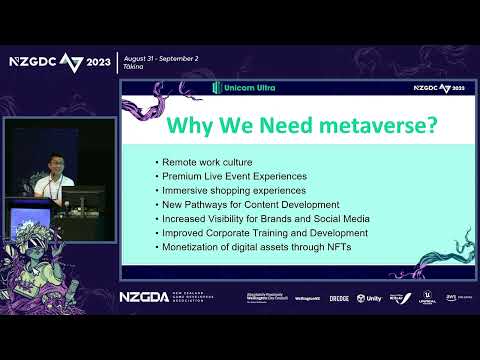
- 3:15Metaverse and virtual worlds
- 7:33NFTs in gaming
- 11:30Brand interactions in metaverse
- 18:36Metaverse land ownership
- 21:28Government adoption of metaverse
- 23:19Gamification in marketing
- 26:13Blockchain in smart devices
- 29:26Blockchain gaming fundamentals
- 33:04Anti-fraud in gaming
- 35:18History of blockchain gaming
- 37:50Sustainability in blockchain games
- 40:03Web3 gaming market landscape
- 41:51Southeast Asia gaming opportunities
- 43:42ESG and gaming integration
- 45:52Renting NFTs in gaming
- 48:01Esports and blockchain
- 48:42Adopting blockchain in AAA games
- 50:34Q&A session