Network Automation Architecture: Platform vs Power Tools

summary
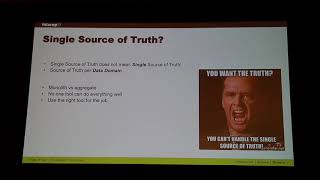
Advises replacing brittle one-off scripts with an ensemble platform: a federated NetBox + Infoblox + ServiceNow + YAML source-of-truth, an automation engine that abstracts vendor APIs (Ansible/AWX, SaltStack, vendor clouds like CloudVision), and a telemetry pipeline using Telegraf, Logstash, Fluentd into time-series stores (InfluxDB, Timescale, Elasticsearch). Emphasizes CI/CD validation with git, Jinja, pyats/batfish and Docker, atomic deployments, data enrichment for meaningful alerts, and decoupled workflows exposed via ServiceNow and Slack for self-service.
AI-written summary · about
chapters (7)
- 0:00Introduction to network automation
- 2:26Power tools limitations in automation
- 10:52Network automation platform overview
- 17:29Telemetry and analytics stack
- 23:05Orchestration system explained
- 28:01Platform maintenance and scalability
- 30:07Q&A and closing remarks
related talks
 41mHow to Build a Network Automation Stack From The Ground Up
 51mNetwork Automation Transformation Phase 0: Source of Truth
 50mJust Enough Network Automation to Get You Started
 01h 01mEngineering Panel Finale: A Tale of Different Network Automation Perspectives
 32mNetwork Automation: A Journey, Not a Destination
 52mThe role of the Network Engineer in the DevOps era
 58mPrinciples of Network Automation
 02mNetwork Automation Summit preview