Creating a Digital Identity: Addressing Other Barriers to Financial Inclusion

summary
Report cites 1.4 billion unbanked and argues identity plus infrastructure are the real bottlenecks; biometric foundational ID and a policy that ties national ID required for every SIM in Nigeria drive uptake. Private stacks use blockchain and verifiable credentials (Stellar anchors, KYC/KYB orchestration) to avoid repeated PII disclosure; a pilot shows physical QR health credentials and wallets issued to over 50,000 agents. CBDC design matters — an account-based eNaira requiring ID improves reach only if legal and agent liquidity problems are solved.
AI-written summary · about
chapters (7)
- 0:00Digital identity barriers
- 3:13Government ID gaps
- 10:17Private sector in digital ID
- 18:47Blockchain and self-sovereign ID
- 23:46Policy modernization needs
- 27:01Digital infrastructure challenges
- 33:29Q&A on identity silos
related talks
 27mHow National ID accelerates the digital economy
 06mFinternet
 45mBuilding for a Billion: Aadhaar & India Stack Experience
 33mFinance, Money and Other Demons
 31mMoving Money: Could Digital Currency Impact Global Remittances and Financial Inclusion
 40mSuper Apps and Digital Wallets: Securing the Unstoppable Force
 42mDigital Cash: What It Is & How It Works
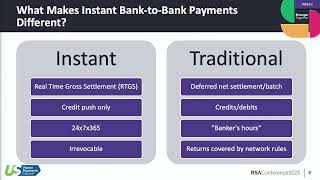 52mThe Critical Importance of Identity for Instant Payments