Empowering Global Governments: The Future of Crypto Infrastructure

summary
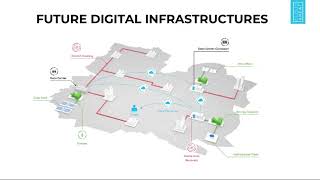
Sign Protocol rebrands as Sovereign Infrastructure for Global Nations and claims a post‑TGE pivot from token markets to government tooling, citing $40M raised and listings on Binance and Upbit. The stack includes a private CBDC chain with central bank as master and commercial bank nodes, a public Layer‑2 for national stablecoins and identity, an attestation service to put IDs on‑chain, and Token Table which the slide claims has distributed $2 billion processed and targets 300 million users worldwide.
AI-written summary · about
chapters (10)
- 0:00Introduction to Sign Protocol and Team Background
- 1:20Rebranding SIGN: Sovereign Infrastructure for Global Nations
- 2:15Why Blockchain is the Future for Governments and Institutions
- 3:50The Three Pillars of Sovereign Infrastructure
- 4:55Private Chains vs. Public Layer 2 for CBDCs and Stablecoins
- 7:55Revolutionizing Asset Distribution: Welfare, Pensions, and UBI
- 9:10Token Table: Distributing $2 Billion in Assets
- 10:10Using Attestations to Verify Real-World Identity On-Chain
- 12:40Top-Down Strategy: Reaching the Next 300 Million Users
- 14:10Community Engagement: The Sign Karaoke Room and Airdrops
related talks
 22mTokenization and the Next Layer
 06mThe Future of Digital Governance
 14mMantra: Tokenize Everything
 25mDigital Sovereignty - Why Open Infrastructure Matters
 21mCreating a Multichain World for All
 21mSociety Protocol: The Future of Human Coordination
 16mBuilding the Fabric for the Decentralised World
 47mCrystal Ball Predictions