Kafka & Kubernetes - Migrating to a World Without Zookeeper

summary
Explains migrating Kafka from ZooKeeper to KRaft on Kubernetes using the Strimzi operator and KIP-500. Describes a three-step production-ready process: deploy KRaft controllers, annotate the Kafka custom resource to enable dual-write (metadata written to both ZooKeeper and KRaft), then flip the annotation to cut over and remove ZooKeeper pods; also shows the upgrade path to Kafka 4.0 and claims reduced resource usage and failure modes with only three operator-coordinated commands.
AI-written summary · about
chapters (10)
- 0:00Introduction
- 1:07Motivation and context
- 2:14Why Kafka drops ZooKeeper
- 6:05ZooKeeper limitations
- 10:05ZooKeeper production failure
- 13:17KIP 500: Native Kafka solution
- 15:24What is Kafka Raft (KRaft)
- 17:14Migrating to KRaft in Kubernetes
- 20:51Benefits of KRaft
- 21:34Q&A
related talks
 31mSimplifying Apache Kafka on Kubernetes With Strimzi
 33mManaging a Kafka cluster in KRaft mode with Strimzi
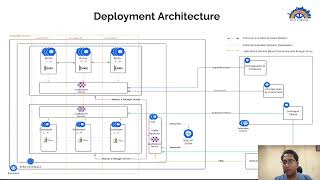 26mProduction Grade Kafka on K8s
 50mKafka 4, fantastic?
 29mKafka on Kubernetes: Does it really have to be the hard way?
 33mKafka Operator: Managing and Operating Kafka Clusters in Kubernetes [A]
 42mTransition to Apache Kafka on Kubernetes With Strimzi
 24mMake Your Kafka Cluster Production-Ready