Wrap Up - Kubernetes for Humans
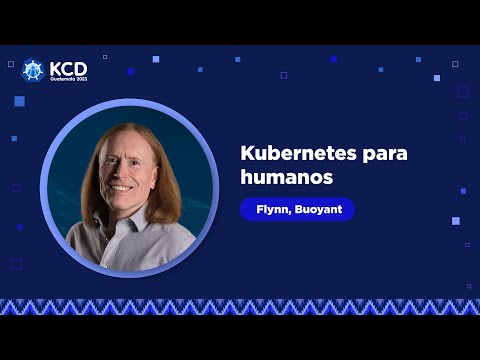
summary
Describes how technologies Emissary‑ingress and Linkerd prioritize adapting infrastructure to human needs by inferring routing and hiding YAML complexity so app developers configure services with simple nouns. Highlights concrete benefits like automatic mTLS and easier installation (Linkerd taught faster than Istio), notes tradeoffs where implementers do extra work, and calls for documentation and UX that tolerate ambiguity while mentioning GPT‑powered no‑code as promising but not yet mature.
AI-written summary · about
chapters (17)
- 0:00Welcome
- 1:19Speaker background
- 4:09Computing for humans
- 9:08No-code tools
- 15:16User-centered design
- 20:25Non-human Kubernetes examples
- 24:24Service mesh roles
- 28:08Kubernetes docs for non-experts
- 33:10Teaching Kubernetes Guatemala
- 35:54Human as service mesh proxy?
- 37:17Kubernetes governance lessons
- 40:01Human tech design rules
- 45:35Developer simplicity
- 47:4520% functions for 80% users
- 51:04Local Kubernetes setup
- 53:34Tech for non-humans
- 57:37Closing reflections
related talks
 05mLightning Talk: Lack of Features Is a Feature for This German Automaker
 32mLaying the Foundation: Real World Kubernetes Deployment Patterns
 32mHow Might You Platform: Avoiding Traps Before It's Too Late
 28mKubernetes won’t save you
 31mThe 20 Year Platform – bringing together Kubernetes, 12-Factor and Functions
 26mKubernetes won't save you
 06mLightning Talk - When Kubernetes is Not the Solution
 06mWhy Kubernetes? (Which Kubernetes?)