Cloud to on-prem and back again
summary
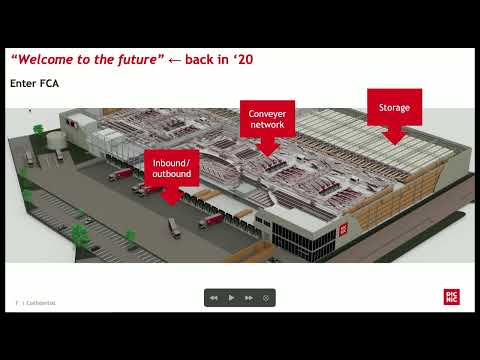
Picnic builds a fully automated fulfillment center with 14 km conveyor belts and 100+ packing stations, requiring sub-100ms junction decisions and 22/7 operation at four nines. The stack uses on‑prem VMware vSphere with TKGi for Kubernetes, VM‑based Postgres and RabbitMQ (for fault tolerance and live migration), and vendor transport controllers; KubeVirt and AWS Outposts were evaluated but rejected. Operational complexity and duplicated tooling force a return to cloud via vSphere + TKGi lift‑and‑shift and ultimately migrated back via AWS MAP.
AI-written summary · about
chapters (20)
- 0:00Intro
- 0:20About me
- 1:11What does Picnic do
- 2:40Infrastructure
- 3:50Supply chain
- 5:06Manual labor
- 6:07Automation
- 8:38Different types of workloads
- 10:09Operational aspects
- 10:53Eventbased operation
- 12:38The solution
- 16:04Options
- 19:04Ease of use
- 20:29Hybrid FC
- 21:28Validating Hybrid FC
- 22:46Lift and Shift Back
- 23:50What we learned
- 24:25Additional complexity
- 25:00Importance of collaboration
- 26:55Conclusion
related talks
 22mCloud native warehouse automation
 36mDeploying an Application Across Multiple Clouds
 26mIf You Build It, They Will Come - a Platform Modernization Journey
 28mCloud The Final Destination
 25mBreaking Free From the Cloud: Banking on Self-Hosted Kubernetes
 17mOur Journey to Kubernetes at Scale
 28mFlexible Cloud, Whatever The Workload
 21mHybrid Cloud - nothing to worry about! 🌥️