Bridging the Gap between Privacy Incidents and PETs
summary
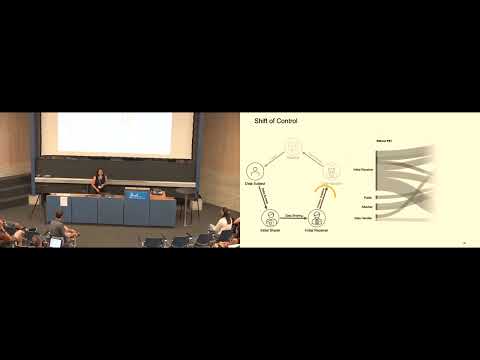
Analyzes 100+ incidents from New York Times and Vice using qualitative coding, builds a concrete five-party model (data subject → initial receiver → intermediary/vendor → attacker → harm) that explains the Grindr outing and shows many attacks exploit legitimately collected data or resale by vendors. Maps award-winning PET papers onto that model, finds PETs typically interrupt flow before violations but often shift trust to another receiver or only narrow data (metadata still leaks), raising concrete misuse and threat‑model gaps.
AI-written summary · about
chapters (10)
- 0:00Introduction to privacy PETs
- 1:03Defining privacy threats
- 2:50Case study priest privacy breach
- 4:53Five-party privacy attack model
- 7:43PETs impact on data flows
- 10:29Discussion on PETs design
- 13:15Are we building PETs wrong?
- 18:37Protecting people over data
- 20:47Group privacy and harms
- 24:19Summary and closing