A Vision for OCaml in the AI Era
summary
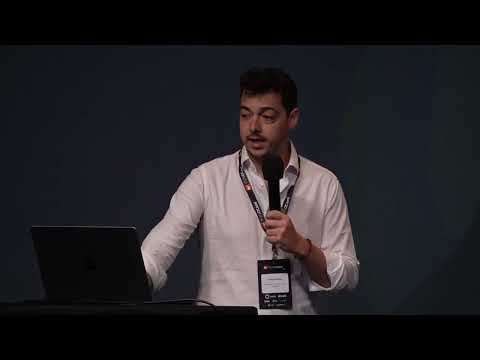
About one third of the audience reports using AI-generated OCaml code in the past week, and adoption lags from limited training data and poor tooling integration (agents get stuck on dune watch). The project Raven builds an OCaml ML stack mirroring Python (Nx/Talon/Rune), already training GPT‑2–like models on CPU and Metal GPU with CUDA coming and targets parity with PyTorch via JIT (goal: within 2×). The companion project Spice is a local-first open-source agent with Mosaic TUI, OCaml MCP, and a prototype platform SDK.
AI-written summary · about
chapters (8)
- 0:00Introduction and welcome
- 1:02The impact of AI on coding
- 7:23Defining the OCaml AI strategy
- 10:10Raven: OCaml for AI applications
- 19:01Improving AI coding productivity
- 22:45Spice: A native OCaml agent
- 25:57Community call to action
- 31:23Q&A and closing
related talks
 25mThree steps for OCaml to crest the AI humps
 32mProgramming language evolution in the AI era
 06mThe Building Blocks of Agentic Al
 30mBuilding Reliable AI Agents: An Open Source Approach To Evaluation and Observability
 30mOpen Source AI Coding Assistants: The Future of Software Development
 27mReal World AI Integration
 48mDyalog and AI
 57mOne Team’s Journey to Using AI Without the Hype